Benefits of Attic HVAC Installation for Your Home
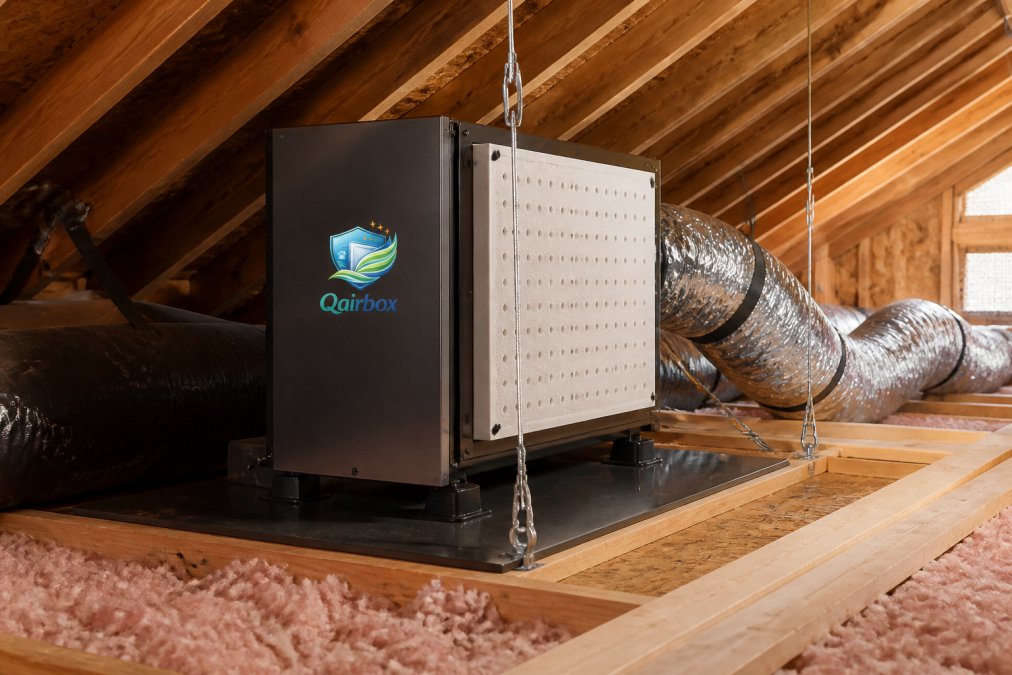
Table of Contents
- Why Homeowners Choose Attic HVAC Installation
- Space-Saving Advantages of Attic-Mounted Systems
- How Attic Installation Improves Energy Efficiency
- Whole-Home Air Purification System Performance
- Attic HVAC Efficiency and Noise Reduction Benefits
- Professional Attic Installation Benefits and Considerations
- Structural and Maintenance Factors for Attic HVAC
- Is Attic HVAC Installation Right for Your Home?
Last Updated: August 30, 2026
Why Homeowners Choose Attic HVAC Installation
Attic HVAC installation keeps systems out of sight while delivering consistent performance throughout your home. For homeowners in hot, dusty climates, especially those with allergies or young children, this approach solves a core problem: maintaining indoor air quality without sacrificing living space or dealing with visible equipment.
Attic placement allows for longer duct runs, better load distribution across the home's structure, and quieter operation in living spaces. When a whole-home air purification system like Qairbox is installed in the attic, it operates independently 24/7, filtering air throughout your entire home without modifying your existing HVAC system. For families dealing with dust, odors, or chemical irritants common in tightly sealed desert homes, a dedicated whole-home purification system delivers hospital-grade filtration without the maintenance burden of multiple room-based units.
Space-Saving Advantages of Attic-Mounted Systems
Installing equipment in the attic eliminates the need for dedicated mechanical rooms, closets, or basement space, valuable in homes where square footage is already allocated to bedrooms and living areas. A standalone whole-home air purification system installed in the attic delivers purification coverage throughout your home without occupying any living space, keeping your home uncluttered while improving air quality in every room.
Attic placement simplifies the physical footprint of your system itself. Equipment positioned overhead doesn't compete with furniture placement and doesn't interfere with room layouts. For families with young children or older adults, this eliminates tripping hazards and maintains clear pathways through your home.
How Attic Installation Improves Energy Efficiency
Attic HVAC installation can improve thermal performance when ductwork insulation, vapor barriers, and condensate management are correctly designed. The attic environment experiences dramatic temperature swings, often 30-50°F between day and night in desert climates, which creates condensation risk on uninsulated or poorly sealed ducts. When moisture accumulates on ductwork, it degrades insulation effectiveness and reduces airflow.
Proper attic installation addresses this through continuous insulation (typically R-8 or higher) wrapped around ductwork, a vapor barrier installed on the warm side to prevent moisture migration, and condensate drain lines sized to handle moisture removal. When these elements are installed correctly, attic placement supports energy efficiency better than basement installations. Ductwork can use larger diameters with gentler bends, reducing static pressure and airflow resistance. Lower static pressure means equipment doesn't have to work as hard to move conditioned air, directly lowering energy consumption.
For whole-home air purification systems like Qairbox, attic installation supports energy efficiency by centralizing filtration in a location where the system operates independently without competing with your existing HVAC for ductwork or airflow. Because Qairbox operates as a standalone system without modifying your existing HVAC, it delivers whole-home purification without increasing your climate-control energy costs.
Professional installation includes proper load calculation, ductwork sizing, insulation specification, and condensate system design. A professional assessment determines whether your attic's current insulation and vapor barriers are adequate, preventing moisture-related failures that turn attic installations into energy liabilities.
Whole-Home Air Purification System Performance
A whole-home air purification system installed in the attic delivers filtration to every room simultaneously, unlike room-based units that only clean localized air. This comprehensive approach addresses contamination sources throughout the home rather than treating symptoms in individual spaces.
Qairbox operates as a standalone system, running 24/7 to reduce odors, airborne particles, dust, and chemical irritants across your entire residence. Because it doesn't integrate with or modify your existing HVAC or central A/C system, installation doesn't disrupt your current climate control. For allergy-sensitive households, this separation is important, you can adjust purification intensity without affecting temperature settings.
Cooking odors, pet dander, dust from desert environments, and chemical off-gassing from furniture affect the entire home. A professionally installed whole-home system intercepts contamination at the source, delivering hospital-grade purification that improves indoor air quality for every family member.
Attic HVAC Efficiency and Noise Reduction Benefits
Placing equipment in the attic significantly reduces operational noise in living areas. Equipment running in an attic space is naturally isolated from bedrooms, kitchens, and common areas. For families sensitive to mechanical noise, particularly those with young children or older adults, this benefit improves daily comfort substantially.
When you don't hear your system constantly cycling, you're more likely to leave it running at optimal settings rather than adjusting it to reduce noise. This consistency supports better energy efficiency and more stable indoor air quality. A whole-home air purification system running quietly in the attic operates continuously without creating the background hum that room-based purifiers generate.
Attic-mounted systems can use larger ducts with gentler bends, reducing static pressure and improving airflow efficiency. Lower static pressure means equipment doesn't have to work as hard to move air throughout your home, reducing energy consumption and extending equipment lifespan.
Professional Attic Installation Benefits and Considerations
Professional installation ensures that your attic system is correctly sized, properly sealed, and appropriately insulated for your climate zone. A load calculation performed during planning determines the right equipment capacity for your home's cooling and heating needs. Professional installers ensure this calculation is accurate.

Installation includes ductwork routing, condensate drain setup, thermostat placement, and system testing. Proper condensate management prevents moisture accumulation that could damage insulation or create mold conditions. Float switches and drain lines must be installed correctly to handle moisture removal, especially important in desert climates where humidity fluctuates dramatically.
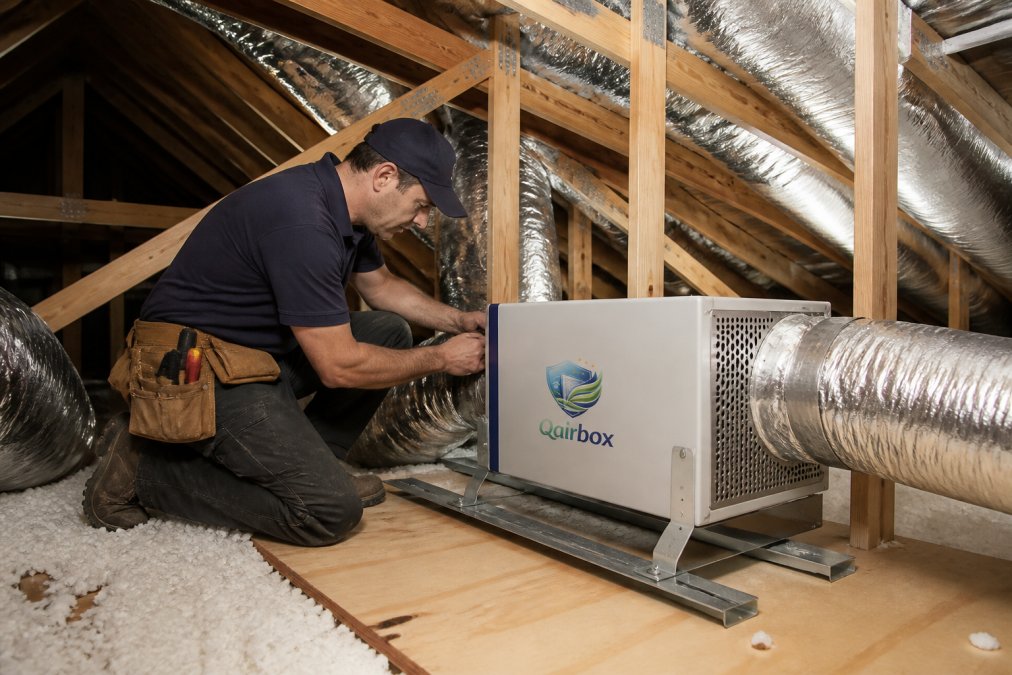
A professionally installed whole-home air purification system like Qairbox includes full setup and integration into your home's air circulation. The installation team ensures the system operates independently without interfering with your existing HVAC and that all connections are secure. Professional support means you have a partner if questions arise or maintenance is needed.
Structural and Maintenance Factors for Attic HVAC
Attic HVAC equipment is heavy. A typical residential furnace or air handler weighs 150-300 pounds; add ductwork, refrigerant lines, and condensate pans, and the total load can exceed 500 pounds. Standard attic joists, typically 2×6 or 2×8 lumber spaced 16 inches on center, are designed to support insulation and light storage, not concentrated equipment loads. Installing heavy equipment directly on undersized joists can cause structural sagging or failure over time.
Professional installers address this through load-bearing assessment and reinforcement. Before installation, a qualified technician evaluates your attic's joist size, spacing, and condition. If joists are inadequate, installation includes sistering (adding parallel support beams) or installing a structural platform that distributes equipment weight across multiple joists.
Insulation and vapor barrier requirements are equally critical. Attic temperature extremes create condensation when warm, humid indoor air contacts cold ductwork. Without proper vapor barriers, moisture migrates into insulation, reducing its R-value and creating conditions for mold. The solution is continuous vapor barriers installed on the warm side of all ductwork insulation, sealed at seams and penetrations.
Condensate management is the most overlooked structural risk in attic installations. Your system removes moisture from indoor air, potentially 5-20 gallons per day in humid climates. Condensate drain lines must slope continuously toward a drain, never pooling or backing up. Float switches installed in drain pans trigger an alarm or shut down the system if water accumulates, preventing overflow that could damage insulation or drywall below.
Maintenance for attic-mounted systems is simpler than for equipment in living spaces. Unlike room-based purifiers requiring monthly filter changes in multiple locations, a professionally installed whole-home air purification system like Qairbox operates with minimal homeowner involvement. Professional maintenance visits occur on a regular schedule, typically annually or biannually, allowing technicians to inspect insulation, check condensate lines, and verify structural supports remain secure.
The structural and maintenance advantages of attic installation only materialize when the system is professionally designed and installed. Professional installation ensures your attic system operates reliably for 15-20 years without structural damage or moisture-related failures.
Is Attic HVAC Installation Right for Your Home?
Attic HVAC installation works best for homes with adequate attic space, reasonable structural capacity, and climates where temperature extremes are manageable with proper insulation. Homes in hot, dusty desert climates benefit significantly because attic placement keeps equipment away from extreme ground-level heat while allowing effective ductwork routing. If your home has allergy-sensitive residents or young children, the space-saving and noise-reduction benefits become even more valuable.
Consider attic installation if you're dealing with indoor air quality problems that room-based solutions haven't solved. Odors from cooking, pets, or environmental sources; dust from desert environments; or chemical irritants from furnishings, these problems require whole-home solutions. A professionally installed whole-home air purification system like Qairbox addresses these issues comprehensively, delivering hospital-grade filtration throughout your residence without visible equipment in living spaces.
Attic installation may not be suitable if your attic has severe moisture problems, inadequate insulation, or structural limitations. A professional assessment during planning identifies these issues and determines whether attic placement is feasible.
If you value clean air throughout your home, minimal maintenance, quiet operation, and uncluttered living spaces, attic HVAC installation with a dedicated whole-home air purification system addresses all of these concerns simultaneously. Professional installation ensures your system operates reliably in your climate and delivers the indoor air quality improvements your family needs.
Indoor air quality problems in desert homes demand solutions that work continuously and comprehensively. Qairbox delivers whole-home air purification through a standalone system professionally installed in your attic, out of sight, running 24/7, reducing odors, particles, dust, and chemical irritants throughout your entire residence. Unlike room-based purifiers, Qairbox doesn't require ongoing filter replacements in multiple locations or visible equipment in your living spaces. It operates independently without modifying your existing HVAC system, making it ideal for allergy-sensitive households and families with young children. Schedule a consultation with the Qairbox team to learn how whole-home air purification can transform your indoor air quality and improve your family's health.
Frequently Asked Questions
Is HVAC in the attic a good idea?
Attic HVAC installation works well for many homeowners, especially those seeking space savings and improved energy efficiency. The setup keeps equipment out of sight and can reduce noise in living areas. However, attic installations require careful attention to condensate management, proper insulation, and structural load-bearing capacity. A whole-home air purification system installed in the attic offers these benefits while operating independently from your existing HVAC system, providing hospital-grade filtration throughout your home without modifications to existing equipment.
How does attic-mounted equipment affect home cooling efficiency?
Properly installed attic equipment can improve overall cooling efficiency by reducing thermal load in living spaces and optimizing ductwork routing. The attic environment, while hot, allows HVAC systems to work more efficiently when properly insulated and ventilated. Key factors include adequate attic ventilation to manage heat buildup, proper ductwork insulation to minimize energy loss, and correct load calculations for your climate zone. Professional installation ensures your system operates at peak thermal performance without compromising your existing HVAC system's efficiency.
What should homeowners consider before installing HVAC in the attic?
Before attic installation, evaluate structural load-bearing capacity, attic ventilation adequacy, condensate drain routing, and moisture control requirements. Consider your climate zone's cooling and heating demands, existing insulation levels, and vapor barrier integrity. Ensure proper equipment accessibility for preventative maintenance, and verify that attic ambient temperature won't negatively impact system lifespan. Professional assessment determines whether your home's structure, ventilation, and thermal environment support attic installation and identifies any modifications needed for reliable operation.
Can a whole-home air purification system work alongside my existing HVAC?
Yes. A standalone whole-home air purification system installed in the attic operates independently without connecting to or modifying your existing HVAC system. This means no disruption to your current setup, no costly retrofitting, and no changes to your ductwork or equipment. The system runs on its own 24/7, delivering hospital-grade purification throughout your home while your HVAC system continues operating normally. This approach is ideal for homeowners who want whole-home air quality improvement without HVAC system upgrades.