Common Household Toxins to Avoid: A Safety Guide
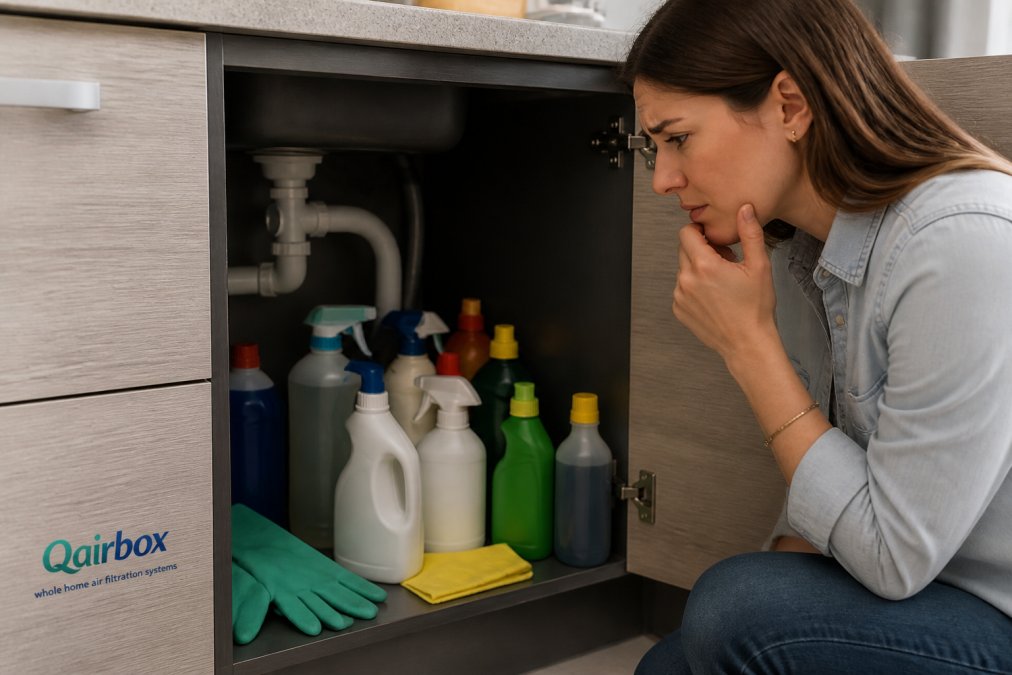
Table of Contents
- Common Household Toxins Found in Every Home
- Why These Household Toxins Matter for Your Health
- How to Reduce Chemical Irritants at Home
- Pesticides, Flame Retardants, and Hidden Dangers
- Benefits of Whole-Home Air Purification
- Monitoring Your Indoor Air Quality
- Frequently Asked Questions
Last Updated: September 25, 2026
Common Household Toxins Found in Every Home
The average home contains dozens of chemical substances most people never think about. These aren't exotic industrial compounds, they're in everyday cleaning products, personal care items, cookware, and furniture. Understanding what these toxins are and where they hide is the first step toward reducing your family's exposure to harmful chemicals.
The problem isn't usually one dramatic source, it's the cumulative effect of multiple low-level exposures to volatile organic compounds, phthalates, formaldehyde, and other endocrine disruptors that add up over time. This guide covers the most common household toxins to avoid and practical strategies for reducing them.
Volatile Organic Compounds in Cleaning Products
Volatile organic compounds (VOCs) are carbon-based chemicals that evaporate into the air at room temperature. Found in all-purpose cleaners, disinfectants, glass cleaners, and floor polishes, VOCs linger in the air after spraying and can be inhaled repeatedly. In desert homes and other tightly sealed environments, these chemicals concentrate because there's limited air exchange with the outdoors.
The safer approach is to shift toward products with minimal chemical content: vinegar and water for glass, baking soda for scrubbing, and castile soap for general cleaning.
Chemicals in Personal Care and Beauty Products
Personal care products are a major but often overlooked source of household toxins to avoid. Shampoos, conditioners, lotions, deodorants, and cosmetics frequently contain phthalates (plasticizers added to fragrances), parabens (preservatives linked to endocrine disruption), and synthetic fragrances (which can contain hundreds of unlisted compounds). The cumulative exposure matters: using multiple products with these chemicals daily leads to bioaccumulation in body tissues over time.
Toxins in Cookware and Food Storage
Non-stick cookware coatings contain per- and polyfluoroalkyl substances (PFAS), "forever chemicals" that don't break down in the environment or your body. When heated above 500°F, they release respiratory irritants. Plastic food storage containers often contain bisphenol A (BPA) that leaches into food, especially when heated or storing acidic foods. Cast iron, stainless steel, and glass are safer alternatives; glass containers eliminate chemical leaching entirely.
Why These Household Toxins Matter for Your Health
Some chemicals cause immediate irritation, respiratory irritants trigger coughing or wheezing within minutes. Others work silently over months or years, depending on the toxin type, dose, and duration of exposure.
Long-Term Health Effects of Chemical Exposure
Chronic exposure to household toxins to avoid can contribute to several health conditions. Formaldehyde (a known carcinogen in furniture and building materials), flame retardants (linked to neurological and thyroid effects), and phthalates and parabens (endocrine disruptors) develop effects slowly, increasing allergies, persistent headaches, or fatigue that you might attribute to other causes. A product might not cause visible harm today but still pose a long-term risk based on toxicology research.
Vulnerable Populations: Children, Pets, and Older Adults
Children face disproportionate risk because their bodies are still developing, their detoxification systems are immature, and their smaller body size means the same exposure creates a higher dose relative to body weight. Pets are equally vulnerable, ingesting residues from floors and lawns through grooming. Older adults' kidneys and liver become less efficient with age, reducing their ability to process and eliminate toxins.
How to Reduce Chemical Irritants at Home
Reducing household toxins to avoid doesn't require throwing out everything and starting over. It's a gradual process of making smarter choices as products run out and being intentional about replacements.
Reading Labels and Identifying Hidden Chemicals
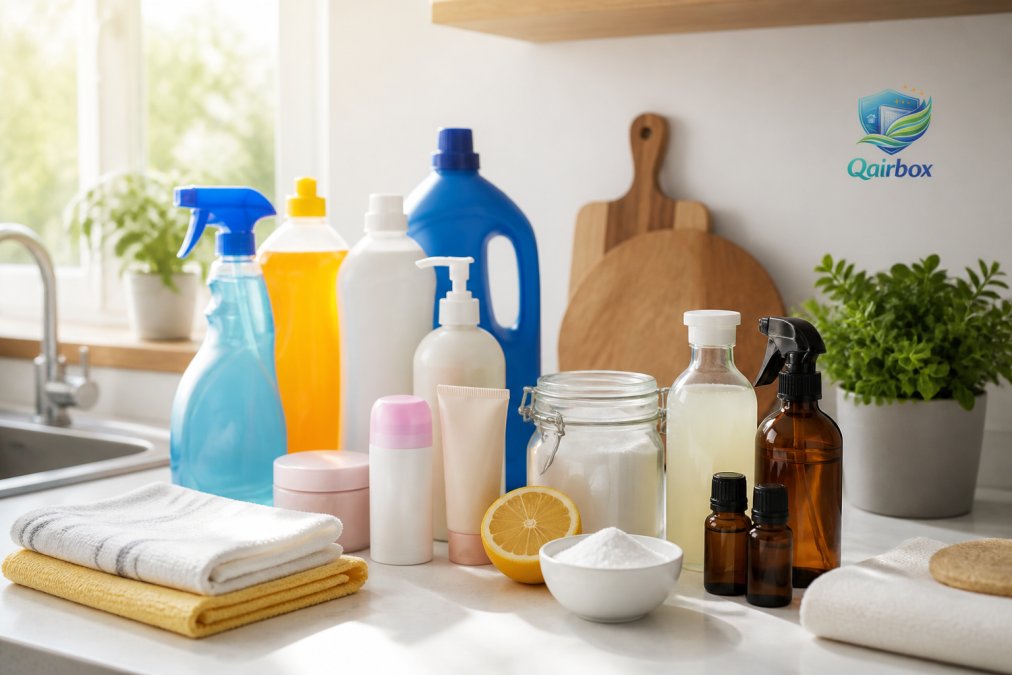
Product labels are intentionally vague, terms like "fragrance" or "parfum" hide dozens of unlisted chemicals, and "hypoallergenic" has no legal definition. Learn to watch for: phthalates, parabens, triclosan, sodium hypochlorite (bleach), and synthetic fragrances. Use phone apps that scan product barcodes and rate ingredient safety, or check the EWG Skin Deep database for personal care products and the EPA Safer Choice label for cleaning products.
Budget-Friendly Non-Toxic Swaps
Non-toxic alternatives don't have to be expensive. Many work as well as conventional products and cost less.
| Conventional Product | Non-Toxic Alternative | Cost Comparison |
|---|---|---|
| All-purpose cleaner | Vinegar + water solution | 80% cheaper |
| Disinfectant spray | Hydrogen peroxide 3% | 90% cheaper |
| Laundry detergent | Plant-based detergent | Similar cost |
| Shampoo with parabens | Paraben-free shampoo bar | 30-40% cheaper |
| Non-stick cookware | Cast iron or stainless steel | One-time investment |
| Plastic food storage | Glass containers | Higher upfront, lasts years |
Safe Disposal of Toxic Household Items
Throwing hazardous chemicals in the trash or down the drain contaminates water supplies. Call your local solid waste management facility to find disposal options; many accept old paint, pesticides, batteries, and cleaning products. Use items until they're truly unusable, then dispose properly, avoiding premature waste while you transition to safer alternatives.
Pesticides, Flame Retardants, and Hidden Dangers
Beyond the obvious cleaning and personal care products, household toxins hide in outdoor treatments and embedded in the furniture and textiles you interact with daily. These substances are often invisible and difficult to avoid without understanding where they're applied and why.
Insecticides and Lawn Treatments
Lawn pesticides and insecticides are respiratory irritants and potential neurotoxins. Common chemicals include neonicotinoids, organophosphates, and synthetic pyrethroids. Children face disproportionate risk playing directly on treated grass with higher hand-to-mouth contact; pets ingest residues through their paws and fur while grooming.
Flame Retardants in Furniture and Textiles
Flame retardants are applied to upholstered furniture, mattresses, pillows, and some clothing to meet federal flammability standards. These chemicals migrate into household dust through normal wear. Common types include polybrominated diphenyl ethers (PBDEs, linked to thyroid disruption and reduced IQ in children), chlorinated tris (TCEP, a suspected carcinogen), organophosphate flame retardants (neurotoxic, linked to developmental delays), and brominated compounds (persistent and bioaccumulative).
Identifying and Replacing Flame Retardant Products
When buying furniture, ask manufacturers directly whether flame retardants were applied and which specific chemicals were used. Some companies now market "flame retardant-free" options or use safer alternatives:
- Wool naturally resists flame and requires no chemical treatment. Wool furniture and wool mattress toppers provide flame resistance without synthetic chemicals.
- High-density foam (without flame retardant additives) combined with fire-resistant fabric barriers meets flammability standards without chemical treatments.
- Leather and tightly woven natural fabrics (linen, cotton canvas) are inherently more flame-resistant than loose weaves.
- Barrier fabrics (tightly woven cotton or wool) placed between foam and outer upholstery can meet flammability standards without treating the foam itself.
Reducing Dust and Inhalation Exposure
Even if you can't replace all flame retardant-containing furniture immediately, you can reduce exposure by minimizing dust:
- Vacuum frequently with a HEPA-filter vacuum (which captures fine particles rather than recirculating them).
- Damp-dust surfaces with a damp cloth rather than dry dusting, which aerosolizes particles.
- Wash hands after handling upholstered furniture, especially before eating or touching your face.
- Wash children's hands and faces after playing on upholstered furniture.
- Air out furniture in sunlight when possible; UV light can degrade some flame retardant compounds.
Benefits of Whole-Home Air Purification
Reducing household toxins at the source, by choosing safer products and proper disposal, is essential. But even in a well-managed home, airborne chemical irritants accumulate. This is where whole-home air purification becomes valuable.
Reducing Airborne Chemical Irritants
A standalone whole-home air purification system like Qairbox removes volatile organic compounds, dust, and other airborne particles that conventional HVAC systems miss. Unlike portable room purifiers that clean one space at a time, a whole-home system works continuously throughout your entire residence.
Complementing Your Non-Toxic Home Strategy
A whole-home air purification system isn't a substitute for eliminating toxic products, it's a complement. You still need to choose safer cleaning products, personal care items, and cookware. But even with careful product selection, some VOCs and chemical residues will remain in the air, especially in sealed homes.
Monitoring Your Indoor Air Quality
Understanding what's happening with your home's air quality helps you make better decisions about which interventions matter most. Air quality monitoring devices measure particulate matter, VOCs, and other pollutants in real time.
Frequently Asked Questions
What are the most common household toxins I should avoid?
The most prevalent household toxins include volatile organic compounds (VOCs) in cleaning products, phthalates and parabens in personal care items, bisphenol A (BPA) in food storage containers, formaldehyde in building materials and furniture, flame retardants in upholstered items, and pesticide residues from lawn treatments. Many of these chemicals accumulate in indoor air and dust, making them especially concerning for families with children or pets. Reading product labels and choosing certified non-toxic alternatives significantly reduces your exposure to these substances.
How do household chemicals affect indoor air quality?
Household chemicals release volatile organic compounds (VOCs) into the air through off-gassing from cleaning products, paints, adhesives, and furniture. These airborne irritants accumulate in tightly sealed homes, particularly in hot climates where homes are designed to minimize air exchange. Long-term exposure to poor indoor air quality triggers respiratory issues, headaches, and allergic reactions. A whole-home air purification system removes these chemical irritants and particulates from circulating air, creating a healthier breathing environment throughout your entire residence without requiring you to replace your existing HVAC system.
What are budget-friendly alternatives to toxic household products?
White vinegar, baking soda, and hydrogen peroxide are effective, inexpensive replacements for many commercial cleaners. Vinegar cuts grease and disinfects surfaces; baking soda scrubs and deodorizes; hydrogen peroxide sanitizes without toxic fumes. For laundry, unscented soap flakes and essential oils replace conventional detergents. Glass food storage containers replace plastic ones containing BPA. Bar soaps and shampoos free from synthetic fragrances and parabens cost less over time than bottled versions. These swaps reduce chemical exposure while lowering household expenses, making non-toxic living accessible to families on any budget.
Are children and pets at higher risk from household toxins?
Yes. Children and pets are more vulnerable to household toxins because they spend more time indoors, have lower body weight (concentrating chemical exposure), and have developing immune and neurological systems. Young children put hands and objects in their mouths, increasing ingestion risk. Pets groom their fur and lick surfaces, absorbing toxins through skin and digestion. Older adults also face elevated risk due to compromised immune function. Reducing household chemical sources and maintaining clean indoor air through whole-home purification significantly protects these vulnerable groups from long-term health effects including respiratory disease, developmental delays, and allergic sensitization.