How to Maintain HVAC Air Filters: A 2026 Guide
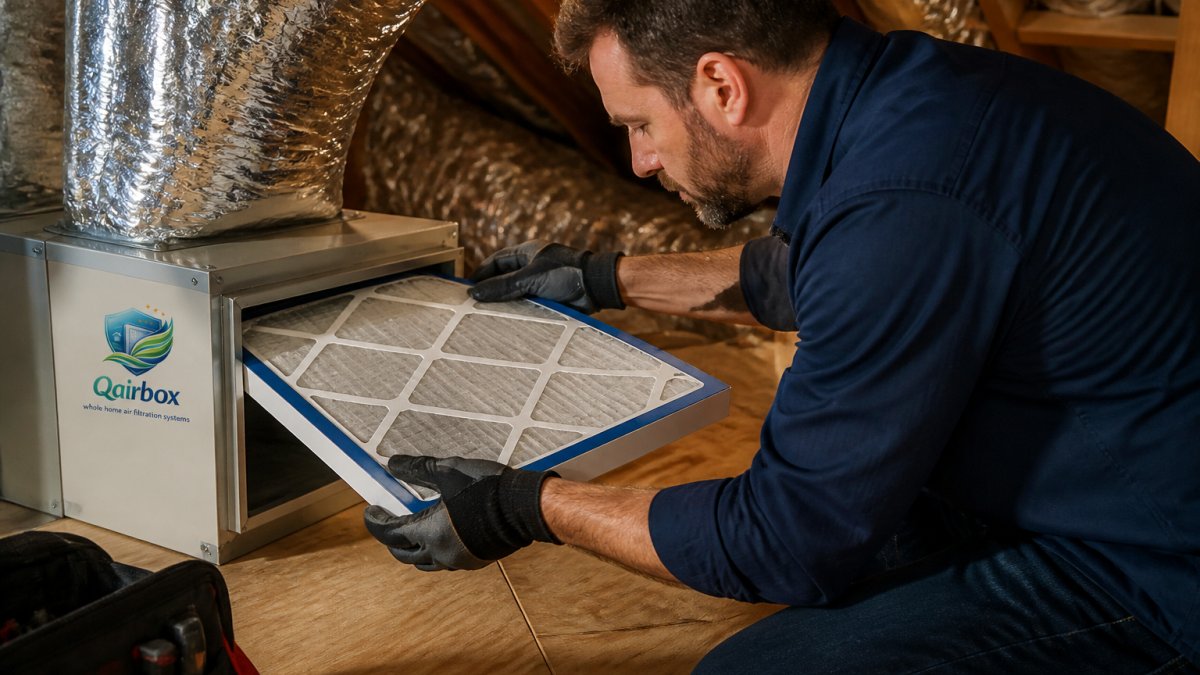
Table of Contents
- Why Air Filter Maintenance Matters
- How Often to Change Air Filters
- Step-by-Step Filter Inspection and Cleaning
- Benefits of Whole-Home Air Purification
- Attic-Mounted Air Purification Systems: Beyond Standard Filters
- Common Mistakes to Avoid
- Frequently Asked Questions
Last Updated: September 28, 2026
Why Air Filter Maintenance Matters
Indoor air quality affects your family's health every single day. Most homeowners don't realize how quickly dust, pollen, and allergens build up inside their homes, especially in hot, dry climates where air gets recycled constantly through HVAC systems.
A dirty filter forces your system to work harder. This increases energy use and can damage your equipment over time. For families with allergies, asthma, or young children, a clogged filter means those irritants stay circulating through every room.
Regular maintenance keeps air flowing freely. It protects your equipment and helps reduce the allergens and dust your family breathes. At Qairbox, we understand that maintaining indoor air quality is about more than just changing filters, it's about creating a healthier home environment.
How Often to Change Air Filters
Standard replacement schedules
Most standard HVAC filters need changing every 1 to 3 months. The exact timing depends on your filter type, system runtime, and your home's air quality demands.
Fiberglass filters are the most basic option. They typically last 30 days before needing replacement. Pleated filters trap more dust and last 60 to 90 days. If you have a reusable electrostatic filter, you can clean and reuse it for years, though you'll need to inspect and clean it monthly.
Check your filter monthly by holding it up to a light source. If you can't see light through it easily, it's time to change or clean it. Don't wait for the scheduled date if the filter looks dark or caked with dust.
Maintenance schedules for specific household conditions
Not all homes follow the standard 1-3 month cycle. Your household's unique circumstances determine how often your filter actually needs attention. Understanding these factors helps you avoid both premature clogs and missed maintenance windows.
Homes with pets: Pet hair and dander accumulate rapidly. If you have one or more dogs or cats, plan to inspect your filter every 2-3 weeks and change or clean it every 30-45 days, even if it looks acceptable. Shedding season (spring and fall) may require even more frequent changes. Long-haired breeds generate more airborne particles than short-haired ones.
Homes with allergy or asthma sufferers: Families where one or more members have diagnosed allergies or asthma benefit from more aggressive filter maintenance. Change or clean filters every 30-45 days rather than waiting the full 90-day window. This reduces circulating allergens (pollen, dust mites, mold spores) and helps minimize symptom triggers. If someone in your home has severe allergies, monthly changes may be necessary.
Homes with smokers: Tobacco smoke and secondhand smoke contain fine particles and chemical irritants that clog filters faster than typical household dust. If anyone smokes indoors, change filters every 30 days. Smoke particles are smaller and more numerous than dust, so standard filters work harder and degrade faster.
Homes with young children or older adults: Homes with infants, toddlers, or elderly residents often benefit from more frequent filter changes. Young children and older adults have more sensitive respiratory systems. Changing filters every 45-60 days (rather than 90) reduces the load of circulating particles and supports better indoor air quality for vulnerable household members.
Dusty or desert climates: Homes in arid regions, near construction sites, or in areas with high outdoor dust levels see filters clog much faster. If you live in a hot, dry climate or notice dust settling on surfaces quickly, plan to change filters every 30-45 days. Desert dust is finer and more persistent than typical household dust, and it infiltrates homes more readily through HVAC intake.
Homes with frequent cooking: Cooking generates grease particles, steam, and odors that accumulate on filters. If your household cooks frequently or uses the oven/stovetop daily, inspect your filter every 3-4 weeks. High-heat cooking (frying, grilling) produces more airborne particles than baking or microwaving.
Multi-pet, multi-person households: Homes with multiple pets, many occupants, or high activity levels generate more dust and particles overall. These homes typically need filter changes every 30-45 days instead of the standard 60-90 day window.
When to replace sooner
Regardless of your household type, replace your filter immediately if you notice reduced airflow from your vents, higher energy bills than usual, or stuffiness indoors. These are signs your filter is restricting airflow and needs attention now.
If your system runs constantly (common in very hot or very cold seasons), filters clog faster. Check more frequently during peak heating or cooling months.
Step-by-Step Filter Inspection and Cleaning
What you'll need
Inspecting and cleaning your filter is straightforward. Gather these items before you start:
- A flashlight or work light
- A vacuum with an upholstery attachment
- Soft-bristled brush or old toothbrush
- Clean towels or rags
- Mild dish soap and water (for reusable filters only)
- A safe, clean workspace
If your filter is disposable, you'll only need to inspect it and replace it when necessary. For reusable filters, these tools help you clean them properly.
Inspection process
Start by turning off your HVAC system. This is important for safety and prevents dust from spreading while you work.
Locate your filter. Most systems have the filter in a return air duct or blower compartment. Check your system's manual if you're unsure where it is.
Remove the filter carefully. Hold it up to bright light and look through it. A clean filter lets light pass through clearly. A dirty filter appears dark, dusty, or caked with buildup.
Check the filter frame for an arrow indicator. This arrow shows the direction airflow should travel through the filter. When you reinstall it, the arrow must point toward the furnace or air handler, away from the return duct.
If the filter is disposable and visibly dirty, replace it now. If it's reusable and still has some life in it, proceed to cleaning.

Cleaning reusable filters
Reusable filters can be cleaned and reused, which saves money over time. However, they require proper care to work effectively.
Start with a gentle vacuum. Use the upholstery attachment and vacuum both sides of the filter lightly. This removes loose dust without pushing particles deeper into the filter material.
For stubborn dust, use a soft brush. Gently brush the filter surface in the direction of the airflow arrow. Never brush against the airflow direction, as this can damage the filter material.
If the filter is very dirty, rinse it with water. Use a hose or sink with lukewarm water. Add a drop of mild dish soap if needed. Rinse gently until the water runs clear. Never use hot water or harsh chemicals, as these damage the filter material.
Dry the filter completely before reinstalling it. Lay it flat on a clean towel in a well-ventilated area. It may take 24 hours to dry fully. Never reinstall a damp filter, as moisture can damage your system.
Once dry, check the filter frame for damage. Cracks, tears, or warping mean it's time to replace the filter, even if it's reusable. A damaged filter won't seal properly and lets unfiltered air bypass the filter material.
Benefits of Whole-Home Air Purification
Standard HVAC filters remove particles from air as it passes through your system. However, they only work when the system is running. Between cycles, dust and allergens settle in your home.
Whole-home air purification systems work differently. They run continuously, cleaning air throughout your entire home 24/7, not just when your heating or cooling kicks in. This constant filtration means fewer allergens floating through bedrooms, living rooms, and kitchens.
For families with severe allergies or asthma, this continuous protection makes a real difference. Children and older adults benefit from cleaner air constantly. Homes in dusty climates see less dust settling on furniture and surfaces.
A whole-home system also reduces odors from cooking, pets, and other sources. It captures chemical irritants and volatile organic compounds that standard filters miss. The result is fresher, cleaner air in every room.
Attic-Mounted Air Purification Systems: Beyond Standard Filters
For homeowners seeking hospital-grade purification throughout their entire home, an attic-mounted air purification system operates independently of your existing HVAC setup, meaning it doesn't require any modifications to your current air conditioning or heating system.
A standalone whole-home air purification system like Qairbox installs quietly in your attic, completely out of sight. It runs 24/7 on its own, delivering continuous purification to every room in your home. Unlike portable room purifiers or filter upgrades, this system cleans air throughout your entire residence, not just in one space.
The key advantage is independence. Your existing HVAC system continues working exactly as it always has. The whole-home purification system operates alongside it, providing an extra layer of protection. For families with severe allergies, pets, or homes in dusty desert climates, this approach offers superior indoor air quality.
Maintenance is minimal.
Common Mistakes to Avoid
The most common mistake is ignoring your filter until you notice problems. By then, your system has been working harder for weeks. Check your filter monthly, even if you don't think it needs changing yet. This prevents damage and keeps energy bills down.
Filter disposal and environmental considerations
Disposable filters accumulate quickly, especially in homes that change them every 30-45 days. How you dispose of them matters for both your wallet and the environment.
Frequently Asked Questions
How long do HVAC filters typically last?
The lifespan of air filters varies depending on type and household conditions. In dusty or allergy-prone homes, filters may need more frequent attention.
Can HVAC filters be cleaned and reused?
Some types of air filters are designed to be cleaned and reused for an extended period, while others are disposable and intended for single use.
What is the difference between HVAC filtration and whole-home purification?
Standard HVAC filters trap dust and particles as air passes through your system, but they work only when the blower motor runs. Whole-home air purification systems like attic-mounted units operate independently 24/7, delivering continuous hospital-grade filtration throughout your entire home. While HVAC filters reduce dust accumulation and protect your system, standalone whole-home purification removes odors, chemical irritants, and allergens even when your heating or cooling isn't running, making it ideal for allergy-sensitive households in dusty climates.
How often should I check my air filters?
Regular inspection of your home's air filtration components is advisable, especially in desert climates or homes with pets and frequent cooking. Look for visible dust accumulation and discoloration. Timely attention helps maintain air quality and system efficiency.