Low Maintenance Air Purification Systems
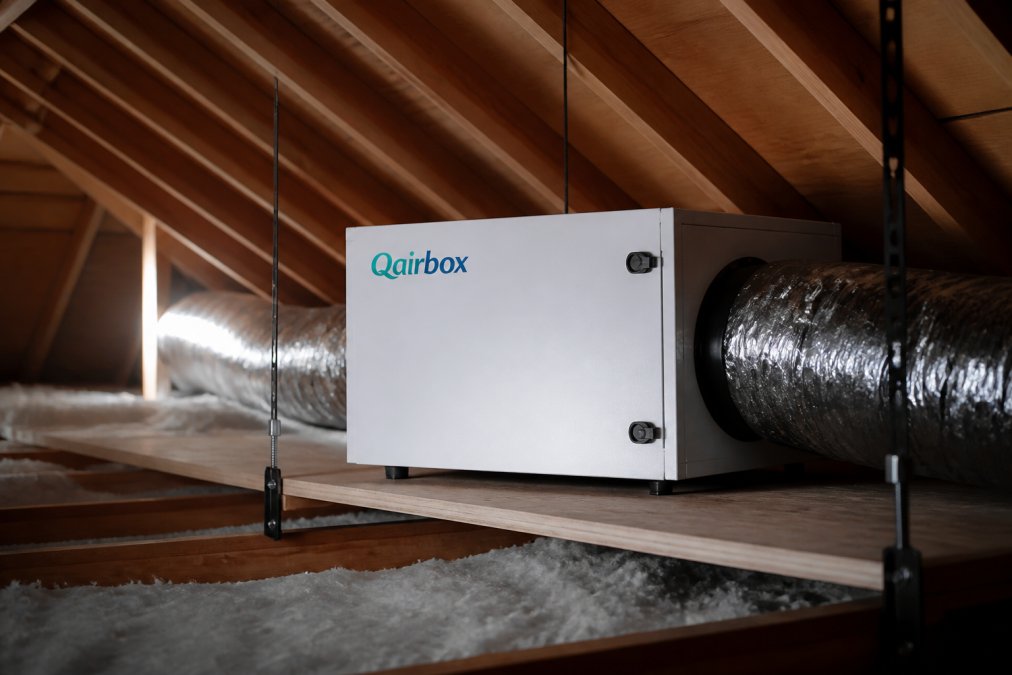
Table of Contents
- What Makes an Air Purification System Low Maintenance
- Whole-Home Air Purification System Benefits
- Standalone Air Purification vs Portable Units
- Attic-Mounted Air Purification Installation
- Indoor Air Quality for Allergy Sufferers
- Maintenance Requirements Across Different Systems
- Long-Term Cost of Ownership
- Conclusion
Last Updated: August 13, 2026
What Makes an Air Purification System Low Maintenance
The difference between a low maintenance air purification system and one that demands constant attention comes down to how the technology works and where it sits in your home. Most homeowners don't realize that maintenance burden isn't just about filter changes, it's about the entire architecture of the system.
A truly low maintenance air purification system minimizes your involvement. You're not constantly monitoring sensors, replacing filters on a schedule, or troubleshooting performance drops. Instead, the system runs quietly in the background, handling the work for you. This is fundamentally different from portable room purifiers, which require regular filter maintenance and strategic placement throughout your home to be effective.
What separates low maintenance systems from high-touch alternatives is automation and design. Some systems use filterless technology that requires virtually no homeowner maintenance at all. Others rely on extended-lifespan filters paired with smart monitoring that alerts you only when replacement is genuinely needed. The key insight most guides miss: the best low maintenance approach depends on your home's layout and your tolerance for any maintenance whatsoever.
Whole-Home Air Purification System Benefits
A whole-home air purification system delivers clean air to every room simultaneously, which is why homeowners in desert climates and allergy-sensitive families increasingly choose this approach over scattered portable units. Instead of managing multiple devices across your home, a single professionally installed system handles the entire residence.
The efficiency advantage is significant. One centralized system uses less total energy than running three or four portable purifiers to achieve the same coverage. You're not paying to operate separate devices in each room, and you're not dealing with the noise of multiple units running at different times. For families with young children or older adults, this consistent, whole-home purification matters, allergens and airborne contaminants get addressed everywhere, not just in the rooms where you've placed a portable unit.
The maintenance simplification is equally important. Rather than remembering which purifier needs a filter change and when, you manage one system. No more hunting for the right replacement filter for each device. No more worrying whether a portable unit in the bedroom is actually filtering effectively or just circulating stale air. A whole-home system also eliminates the aesthetic compromise of fitting bulky machines into your living spaces.
For homes in hot, tightly sealed desert environments, a whole-home approach proves especially valuable. These homes are designed to keep heat out, which means outdoor dust and heat-driven contaminants concentrate inside. A dedicated system addresses this reality with consistent, powerful purification across every room and hallway.
Standalone Air Purification vs Portable Units
The choice between a standalone whole-home system and portable room units represents a fundamental decision about how you want to manage indoor air quality. Understanding the real differences helps you avoid the hidden costs of the wrong choice.
Portable units offer flexibility in placement, you can move them between rooms or take them with you. They're cheaper upfront and require no installation. But they come with significant trade-offs. Each unit covers a limited area, so a typical home needs multiple devices to achieve whole-home coverage. That means managing several filters, monitoring multiple sensors, and paying electricity costs for multiple devices running simultaneously.
A standalone whole-home system, by contrast, handles your entire home from one professionally installed location. You're not juggling filter schedules across multiple machines. You're not compromising on coverage in hallways, bathrooms, or less-used rooms. The system runs continuously without cluttering your living spaces, and the operational cost per square foot drops significantly compared to multiple portable units.
The maintenance difference is striking. With portable purifiers, you'll replace filters on staggered schedules, troubleshoot performance issues on individual devices, and often replace units when they fail. A whole-home system centralizes everything, meaning one maintenance point instead of three or four. For homeowners who value their time, this difference compounds quickly.
For allergy-sensitive households and families with young children, the consistency matters. Portable units create dead zones, areas where air quality lags because no purifier is nearby. A whole-home system eliminates this problem entirely. Every room, every hallway, every corner of your home receives the same level of purification.
Attic-Mounted Air Purification Installation
Professional installation of an attic-mounted whole-home air purification system represents a different category from portable unit setup. This is a one-time, permanent installation that requires proper placement and configuration to deliver optimal results.
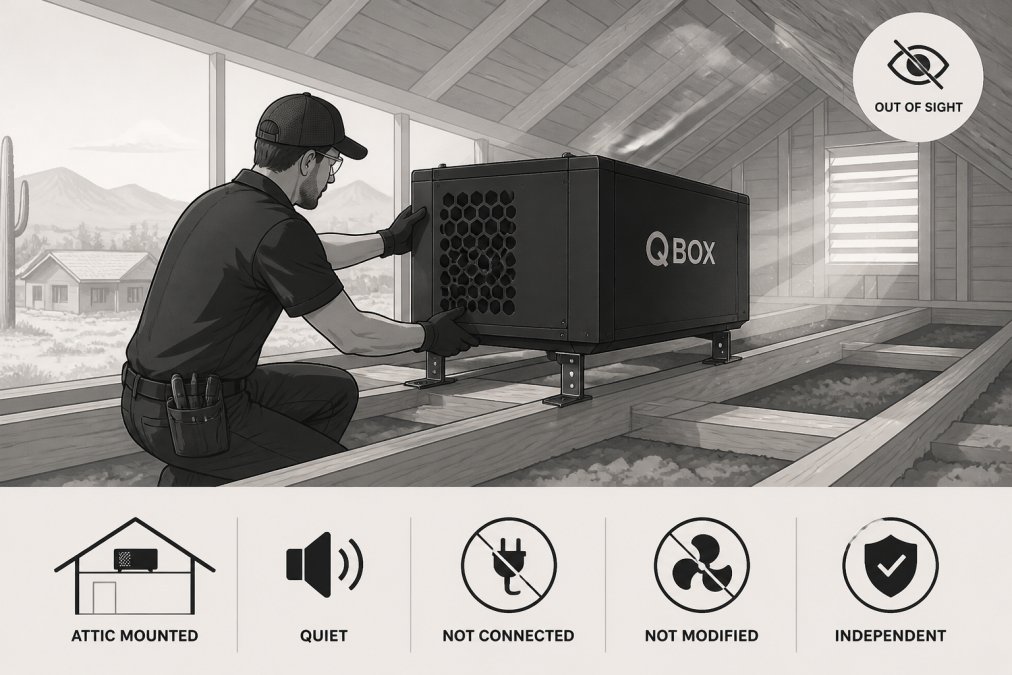
An attic-mounted system operates independently of your home's existing HVAC infrastructure. This is crucial, it doesn't modify, retrofit, or integrate with your central air system. Instead, it runs as a standalone unit, drawing air from your home, purifying it, and recirculating clean air back. This independence means your existing air conditioning system continues operating exactly as it did before, with no disruption to your cooling efficiency or energy bills.
The installation process itself is straightforward for qualified professionals. The system mounts securely in the attic, where it operates quietly out of sight and out of mind. You don't see it, you don't hear it, and it doesn't take up living space. For homeowners who value aesthetics and want their air purification system to simply disappear into the home infrastructure, this out-of-sight approach delivers exactly that.
The attic location offers practical advantages beyond aesthetics. It's away from foot traffic, pets, and the dust that accumulates in living areas. The system operates in a controlled environment where temperature swings are less extreme than ground-level installations. For desert homes where attic temperatures can spike, proper ventilation around the unit ensures reliable performance.
One common concern homeowners raise: "If it's in the attic, how do I know it's working?" Modern systems include monitoring that shows real-time air quality data and system status. You can verify that the system is actively purifying your home without needing to access the attic itself. This transparency matters for peace of mind, especially for families investing in improved indoor air quality.
Indoor Air Quality for Allergy Sufferers
Allergy sufferers know that indoor air quality directly impacts their symptoms and quality of life. When you're managing severe allergies, the difference between adequate and excellent air purification becomes a daily reality.

The challenge for allergy-sensitive households is that airborne contaminants are invisible. You can't see dust mites, pollen, pet dander, or mold spores. You only feel their effects, congestion, itching, respiratory irritation. A low maintenance air purification system removes these triggers continuously without requiring you to manage complex filter schedules or monitor performance constantly.
For families with young children, this consistency is especially valuable. Children's developing respiratory systems are more vulnerable to airborne irritants. A whole-home system ensures that every room your child spends time in, bedroom, playroom, kitchen, receives the same level of purification. You're not creating clean zones and compromised zones; you're creating a uniformly clean home.
Older adults also benefit significantly from consistent indoor air quality. As respiratory function naturally declines with age, reducing airborne irritants becomes more important for maintaining quality of life and preventing respiratory complications. A system that works 24/7 without requiring physical maintenance or attention is ideal for aging in place.
The psychological benefit shouldn't be overlooked either. When you know your entire home is being continuously purified, you stop worrying about whether you've cleaned the portable unit's filter or whether it's actually covering the bedroom. That peace of mind has real value, especially for people whose allergies have made them anxious about air quality.
Maintenance Requirements Across Different Systems
Understanding what different purification technologies require from you is essential for choosing a truly low maintenance solution. The promise of "low maintenance" means nothing if you're still replacing filters every month or troubleshooting sensor failures regularly.
Filterless Technology Options
Filterless air purification systems eliminate the most common maintenance burden: filter replacement. These systems use alternative technologies like thermodynamic sterilization or advanced oxidation to neutralize contaminants without accumulating them in a disposable filter.
The appeal is obvious, no filters means no replacement schedule, no filter inventory, no disposal concerns. These systems run for years with virtually no homeowner intervention. They're genuinely set-it-and-forget-it solutions. For homeowners who prioritize simplicity above all else, filterless technology delivers on that promise.
The trade-off is that filterless systems typically address specific contaminant categories rather than providing broad-spectrum purification. A thermodynamic system excels at destroying microorganisms like mold spores and bacteria but may not capture larger particulate matter as effectively as HEPA-based systems. This matters for households with dust-heavy environments or significant pet dander issues.
Filter-Based Systems With Extended Lifespans
Modern filter-based systems have evolved significantly from the "replace every three months" model that dominated the market. Extended-lifespan filters, combined with smart monitoring and pre-filtration stages, dramatically reduce maintenance frequency.
A quality filter-based system with extended lifespan might require filter replacement only once annually or even less frequently, depending on your home's air quality. The system monitors filter saturation in real-time and alerts you only when replacement is genuinely needed, not on a calendar schedule. This approach gives you the comprehensive filtration of HEPA technology without the constant maintenance burden.
The key is having adequate pre-filtration that captures larger particles before they reach the main filter. This extends the main filter's lifespan and ensures you're not replacing expensive filters unnecessarily. Combined with smart alerts, you get the best of both worlds: comprehensive purification and genuine low maintenance.
Long-Term Cost of Ownership
When evaluating a low maintenance air purification system, the upfront price tells only part of the story. The real financial picture emerges over five to ten years of ownership, when maintenance costs, energy consumption, and replacement expenses accumulate.
A system that costs more initially but requires minimal maintenance often delivers better total-cost-of-ownership than a cheaper portable unit that demands frequent filter replacements and eventual replacement. Consider the math: if you're replacing filters in multiple portable units four times per year at typical replacement costs, you're spending significant money annually just on consumables, before accounting for the electricity to run multiple devices.
A whole-home system consolidates these costs. One filter replacement annually (or less frequently with extended-lifespan technology) versus multiple replacements across several devices. One energy bill for one system versus multiple devices drawing power simultaneously. One maintenance point instead of three or four.
The environmental cost of ownership matters too. Disposable filters from multiple portable units create ongoing waste. A whole-home system generates far less filter waste over the same period. For environmentally conscious homeowners, this consideration often justifies choosing a system designed for long-term, low-maintenance operation.
Energy efficiency also affects long-term costs. A well-designed whole-home system operates more efficiently than multiple portable units working simultaneously to achieve comparable coverage. Over years of operation, the energy savings add up, especially in desert climates where air conditioning already drives significant electricity consumption.
Choosing a low maintenance air purification system means prioritizing your time and peace of mind alongside air quality. Qairbox delivers whole-home purification that operates continuously without requiring filter replacements or constant monitoring. The system runs quietly in your attic, out of sight, designed specifically for allergy-sensitive households and desert homes where air quality challenges are most acute. To explore how a professionally installed whole-home system can improve your home's air quality while eliminating the maintenance burden of portable units, schedule a consultation with the Qairbox team and discover what hospital-grade purification means for your family.
Frequently Asked Questions
What is the best low maintenance air purification system for my home?
The best low maintenance air purification system depends on your home's size and air quality concerns. Whole-home air purification systems installed in the attic offer the lowest maintenance burden because they operate independently without requiring homeowner filter changes. Filterless systems using thermodynamic sterilization technology also eliminate filter replacement entirely. For most homes, a professionally installed standalone whole-home system provides superior coverage and minimal upkeep compared to managing multiple portable room units.
Are there air purifiers that don't need filters?
Yes, filterless air purifiers exist and represent the ultimate in low maintenance operation. These systems use thermodynamic sterilization technology to destroy microorganisms and allergens using heat rather than trapping them in filters. The ceramic core is self-cleaning and long-lasting, eliminating the need for filter replacements. However, some filterless hybrid models may require occasional odor capsule changes. For whole-home coverage without any filter maintenance, a standalone whole-home system offers comprehensive purification across your entire residence without the homeowner needing to manage filters.
How does an attic-mounted air purification system work?
An attic-mounted air purification system operates as a standalone unit professionally installed out of sight in your attic space. It runs continuously 24/7, drawing air through advanced filtration that captures airborne contaminants, dust, allergens, and odors. The purified air is then distributed throughout your home. Because it's installed in the attic rather than placed in rooms, it operates quietly without occupying living space. The system does not connect to or modify your existing HVAC or central air conditioning, it functions independently, making it ideal for homes in desert climates where air sealing is important.
What are the benefits of a whole-home air purification system for allergy sufferers?
Whole-home air purification systems deliver hospital-grade purification throughout your entire residence, not just in individual rooms. For allergy sufferers, this means consistent reduction of airborne allergens, dust, pet dander, and chemical irritants everywhere you spend time, bedrooms, living areas, and hallways. A single whole-home system is more effective than managing multiple portable units because it provides continuous coverage and removes the burden of maintaining separate devices. Professional installation ensures optimal performance, and many whole-home systems require minimal maintenance, allowing allergy-sensitive families to focus on breathing easier rather than equipment upkeep.