Signs Your HVAC Air Filter Needs Replacement
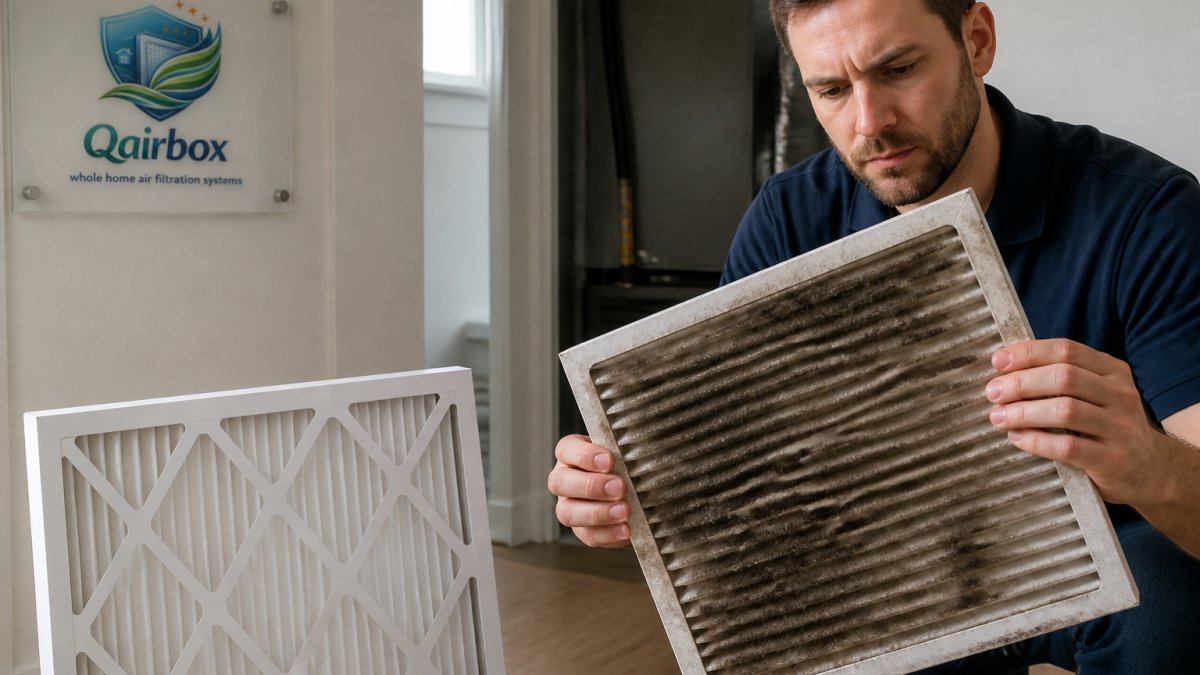
Table of Contents
- Why Your HVAC Air Filter Matters
- Visible Dust and Dirt Buildup on the Filter
- Reduced Airflow From Your Vents
- Rising Energy Bills and Short Cycling
- Allergy Symptoms and Poor Indoor Air Quality
- How Often to Change Your HVAC Filter
- The Light Test and Other Visual Checks
- When Signs Point to a Larger Air Quality Problem
- Frequently Asked Questions
Last Updated: September 30, 2026
Why Your HVAC Air Filter Matters
Your HVAC system's air filter is one of the most overlooked components in your home. Yet it plays a critical role in both your comfort and your indoor air quality. The filter traps dust, pollen, pet dander, mold spores, and other airborne contaminants before they circulate through your living spaces. When it becomes clogged, your entire system suffers, and so does the air you breathe.
The problem is that most homeowners don't know when their HVAC air filter needs replacement until something goes wrong. By then, your system may already be working harder than it should, your energy bills may have climbed, and your allergies might be flaring up. Learning to recognize the signs your HVAC air filter needs replacement puts you back in control.
This guide covers the most common warning signs, how to check your filter visually, and what to do when you spot them. Whether you're dealing with desert dust, pet hair, or seasonal pollen, understanding these indicators helps you maintain better indoor air quality and keep your system running efficiently.
Visible Dust and Dirt Buildup on the Filter
The most obvious sign your HVAC air filter needs replacement is what you see with your own eyes. A clean filter is typically white or light gray. As it traps particles, it gradually darkens.
When dust and dirt accumulation becomes heavy, the filter takes on a noticeably darker appearance, often gray or brown. You might see a thick layer of dust coating the surface, or debris clinging to the pleats. In homes with pets, you'll see hair woven throughout the filter material. Desert homes often show a tan or reddish tint from dust storms.
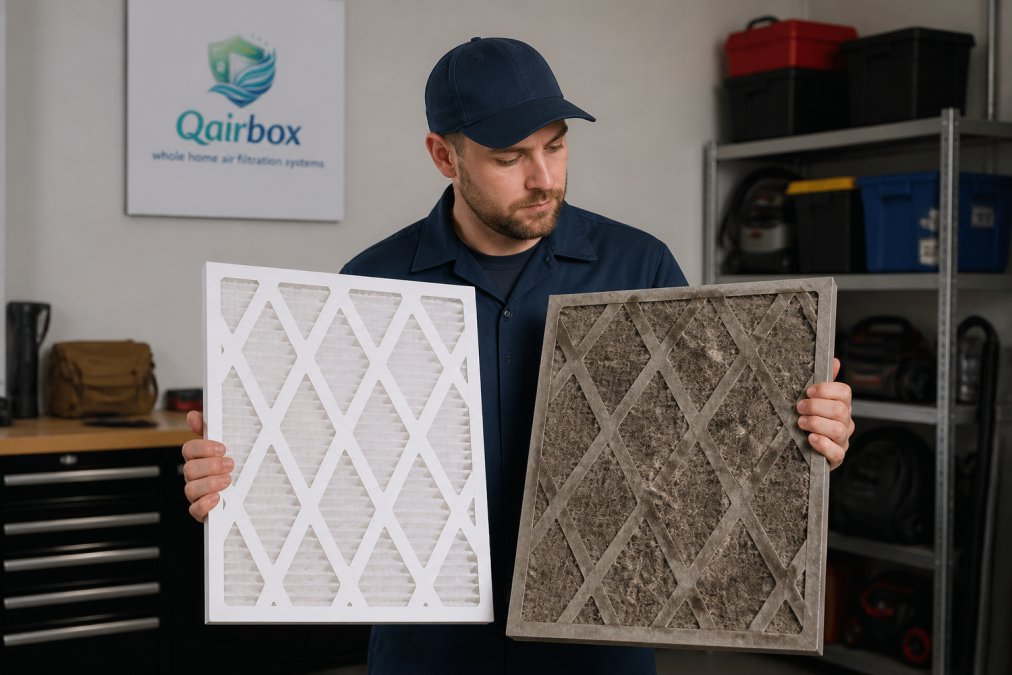
The filter's job is to collect these particles, so some discoloration is normal. But when the buildup becomes visible from across the room, or when you can barely see light through it, replacement is overdue. At this point, the filter is no longer capturing new particles effectively, it's just restricting airflow.
Households with multiple pets, young children, or high dust environments (like homes in arid climates) may see visible buildup within 2-4 weeks. Cleaner homes might go 2-3 months before seeing significant discoloration. The key is checking regularly rather than waiting for an obvious problem.
Reduced Airflow From Your Vents
When your HVAC air filter needs replacement, one of the first things you'll notice is weaker airflow coming from your vents. This happens because a clogged filter restricts air movement through the system.
Walk around your home and hold your hand near several vents. Compare the force of air coming from different rooms. Weak or uneven airflow suggests your filter is restricting ventilation. You might notice that some rooms feel less comfortable than others, or that air conditioning takes longer to cool spaces that used to cool quickly.
This reduced airflow is your system's way of telling you the filter can no longer move air freely. The blower motor is working harder to push against the resistance, but less conditioned air actually reaches your living spaces. In summer, your home stays warmer. In winter, it stays colder.
Pay attention to whether airflow feels noticeably weaker than it did a few months ago. This is often the first sign homeowners notice before they see visible filter discoloration. If you've recently changed your filter and airflow is still weak, you may have a different issue, but a clogged filter is the most common culprit.
Rising Energy Bills and Short Cycling
Your energy bills tell a story about your HVAC system's efficiency. When your HVAC air filter needs replacement, your utility costs often climb noticeably.
A clogged filter forces your system to work longer to achieve the same temperature. Your heating and cooling cycles become more frequent and longer in duration. Over a month, this adds up to measurable increases in electricity or gas consumption. Homeowners often report 10-15% higher bills when running with a significantly restricted filter.
Short cycling is another telltale sign. This occurs when your system turns on and off more frequently than normal, rather than running in longer, steady cycles. A clogged filter increases static pressure inside the system, which triggers the thermostat to cycle more often. Short cycling wastes energy and puts stress on components that aren't designed for constant on-off switching.
If your bills have crept up over the past month or two without a change in weather or usage patterns, a clogged filter is worth investigating. Replacing it often brings bills back down within the next billing cycle. This is one of the easiest and most cost-effective ways to improve your system's efficiency.
Allergy Symptoms and Poor Indoor Air Quality
For families with allergy-sensitive members, a clogged HVAC air filter directly impacts health. When your filter becomes saturated with dust, pollen, and other irritants, it stops filtering effectively. Those particles then circulate freely through your home.
You might notice increased sneezing, itchy eyes, congestion, or respiratory irritation, especially in people with asthma or environmental allergies. Children and older adults are often more sensitive to poor indoor air quality. If symptoms worsen indoors, your filter is a logical place to start troubleshooting.
A clogged filter also fails to trap mold spores, pet dander, and dust mite debris. These allergens accumulate in your ductwork and circulate with each heating or cooling cycle. Replacing the filter removes this source of contamination, though it may take a few days for air quality to fully improve as the system clears out accumulated particles.
This is where many homeowners realize that relying on a single furnace filter isn't enough for homes with severe allergies or in dusty climates. A whole-home air purification system, professionally installed and running independently of your HVAC system, provides continuous filtration that goes beyond what a standard filter can achieve. Qairbox delivers hospital-grade purification throughout your entire home, reducing odors, airborne particles, and chemical irritants 24/7, without interfering with your existing HVAC setup.
How Often to Change Your HVAC Filter
Understanding how often to change your HVAC filter depends on several factors. There's no universal answer, but guidelines can help you develop a replacement schedule.
Standard recommendation: Most HVAC professionals suggest checking your filter monthly and replacing it every 1-3 months under normal conditions. Homes with no pets, minimal dust, and low occupancy might stretch to 3 months. Busier households typically need replacement every 4-6 weeks.
Factors that shorten filter life:
- Multiple pets in the home
- High dust environments (desert climates, unpaved roads nearby)
- Smokers in the household
- Young children or occupants with respiratory conditions
- Frequent cooking that produces grease and particulates
- Construction or renovation work nearby
Factors that extend filter life:
- Single occupant with no pets
- Clean, low-dust environment
- Sealed, well-maintained home
- Minimal cooking or smoking
Rather than following a calendar, let the condition of your filter guide your schedule. Monthly checks take seconds and prevent the problems that come with a severely clogged filter.
The Light Test and Other Visual Checks
The light test is a simple way to determine whether your HVAC air filter needs replacement without waiting for visible discoloration.
Hold the filter up to a bright light source, a window, lamp, or flashlight works well. Look through the filter material toward the light. A clean or lightly used filter allows light to pass through clearly. You'll see the light shining through the pleats and material.
As the filter collects particles, it becomes increasingly opaque. Light struggles to pass through.
Other visual checks:
- Look for visible gaps or tears in the filter material
- Check for collapsed pleats, which indicate the filter has been under excessive pressure
- Inspect the edges for dust escaping around the frame (a sign of a poor seal)
- Note any unusual odors when you remove the filter, musty smells suggest mold growth
When Signs Point to a Larger Air Quality Problem
Sometimes the signs your HVAC air filter needs replacement point to a deeper issue. If you're replacing your filter every 2-3 weeks, or if symptoms persist even after installing a fresh filter, something else may be contributing to poor air quality.
Common underlying problems:
| Issue | Sign | Next Step |
|---|---|---|
| Clogged filter | Visible dust, weak airflow, rising bills | Replace filter monthly |
| Leaky ducts | Dust accumulation despite new filter | Professional duct sealing |
| High humidity | Musty filter smell, mold growth | Install dehumidifier, check exhaust fans |
| Inadequate filtration | Persistent allergy symptoms | Consider whole-home air purification |
Frequently Asked Questions
How long should an HVAC air filter last?
Most standard HVAC filters last 1 to 3 months, depending on household factors. Homes with pets, multiple occupants, or high dust exposure may need replacement every 30 days. Larger-capacity filters can last up to 6 months. Check your filter monthly and replace it when you see visible dust accumulation or notice reduced airflow from your vents.
What happens if you don't change your HVAC air filter?
A clogged filter restricts airflow, forcing your heating and cooling system to work harder. This increases energy bills, causes short cycling (frequent on-off cycles), and reduces the system's lifespan. Poor filtration also allows more dust, pollen, and allergens to circulate, worsening indoor air quality and triggering allergy symptoms in sensitive household members.
Does a dirty air filter affect indoor air quality?
Yes. When your HVAC filter becomes saturated with dust and particulate matter, it can no longer trap airborne contaminants effectively. Pollen, mold spores, pet dander, and other irritants bypass the filter and recirculate throughout your home, degrading indoor air quality and affecting respiratory health, especially for allergy-sensitive family members.
Will my AC work better if I change the filter?
Absolutely. A clean filter restores proper airflow, allowing your air conditioning system to operate at peak efficiency. You'll notice faster cooling, more consistent temperatures, and lower energy costs. A clean filter also reduces strain on the blower motor, extending your system's life and improving overall HVAC performance.