Why Does My House Smell Musty With New HVAC?
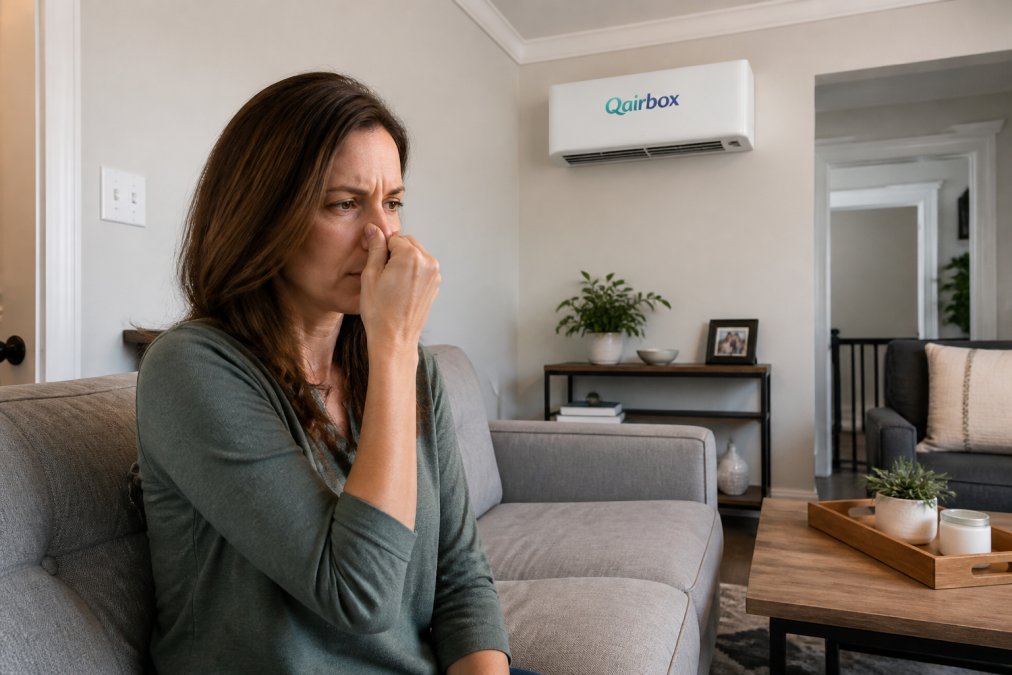
Table of Contents
- Why Does My New HVAC System Smell Musty?
- Is It Off-Gassing or Mold? How to Tell the Difference
- Common Causes of Musty Smells in New Systems
- How to Find the Source of the Musty Smell
- When to Call a Professional vs. DIY Troubleshooting
- Signs of Poor Indoor Air Quality Beyond the Smell
- Whole-Home Air Purification Benefits for New Systems
- Conclusion: Getting Rid of the Musty Smell for Good
- Frequently Asked Questions
Last Updated: September 6, 2026
You just paid for a brand-new HVAC system expecting fresh, clean air, and instead your house smells like a damp basement. It is a frustrating and surprisingly common experience. A musty odor in a new system usually points to trapped moisture or manufacturing residues rather than a mechanical failure. This guide from Qairbox walks you through why does my house smell musty with new hvac, how to tell a harmless smell from a mold problem, and what you can do about it.
Why Does My New HVAC System Smell Musty?
A new HVAC system smells musty because moisture is accumulating somewhere it should not, typically on the evaporator coil, in the drain pan, or within the ductwork. New systems are sealed tightly at the factory, so any condensation that forms during the first cooling cycles has nowhere to escape. That trapped moisture becomes a breeding ground for microbial growth, which produces the musty odor you notice.
The smell is not a sign that the equipment is defective. It is a sign that the delicate balance between cooling, condensation, and drainage is off. In hot, humid climates, the evaporator coil gets cold quickly while the surrounding air is warm and moist. The resulting condensation is normal, but if the drain line is clogged or the system is not level, that condensation sits and stagnates.
Is It Off-Gassing or Mold? How to Tell the Difference
A new system produces two distinct types of smells, and telling them apart determines your next step. Off-gassing is the release of volatile compounds from new materials like rubber gaskets, adhesives, and metal coatings. It smells chemical or "factory-new" and fades within the first few days of regular operation.
Mold and mildew produce an earthy, musty odor that gets stronger over time. The distinction matters because off-gassing is harmless and temporary, while mold affects your home's air quality. According to guidance from the Environmental Protection Agency on indoor mold, mold growth indoors should be addressed promptly to prevent potential health effects.
Run your system continuously for 24 to 48 hours and pay attention to how the smell changes. If it fades, it was off-gassing. If it persists or intensifies, you are dealing with moisture and potential microbial growth.
Common Causes of Musty Smells in New Systems
A musty smell in a new system is rarely a sign of a defective unit. It is almost always a symptom of one of three things: trapped installation moisture, a specific drainage failure, or the temporary chemical smell of new components. Understanding the difference is the key to a fast fix.
The 'New System' Smell: Off-Gassing vs. Microbial Growth
New HVAC systems are made of factory-fresh materials, including rubber gaskets, metal coatings, and adhesives. When these materials first heat up, they release volatile organic compounds (VOCs). This is called off-gassing. It produces a distinct, chemical-like, or "factory-new" odor that is harmless and typically fades within the first 24 to 48 hours of continuous operation.
A true musty smell is different. It is earthy, damp, and often described as smelling like a wet sock or a basement. This is caused by microbial growth, which requires moisture. On a new system, that moisture comes from condensation. The evaporator coil gets cold quickly, and in humid climates, it sweats. If the system isn't pitched correctly or the drain is blocked, that water sits, and a biofilm, a thin layer of microorganisms, can develop within days. That biofilm is the source of the musty odor.
The Role of Humidity and the Evaporator Coil
In hot, humid climates, the evaporator coil is the coldest part of the system. When warm, humid air blows across it, condensation forms rapidly. This is a normal part of the cooling process. The problem arises when that condensation doesn't drain away. A new system might have a drain pan that isn't sloped correctly, or the condensate line might have a low spot where water pools. This stagnant water is the primary breeding ground for mold and mildew.
Installation-Specific Errors That Trap Water
Several installation errors can create the perfect conditions for a musty smell in a brand-new system:
- Improper Drain Line Pitch: The condensate drain line must slope downward continuously to allow water to flow out. If it has a dip or a low spot, water will pool and stagnate.
- Unsealed Ductwork: If the ductwork was not properly sealed during installation, it can pull in humid air from unconditioned spaces like the attic or crawlspace. This humid air can condense on the inside of the ducts, creating moisture where mold can grow.
- Debris on the Coil: The installation process creates dust and drywall debris. If this debris settles on a wet evaporator coil, it provides a food source for microorganisms, accelerating the growth of a biofilm.
- Trapped Condensation in the Pan: The condensate drain pan is designed to collect and channel water away. If the system is not level, water can pool in the pan instead of flowing to the drain, leading to stagnation.
How to Tell the Difference Quickly
Run your system continuously for 24 to 48 hours. If the smell fades and disappears, it was off-gassing. If the smell persists, intensifies, or has an earthy, musty quality, you are dealing with a moisture issue that needs to be addressed by your installer. The Environmental Protection Agency recommends addressing any indoor mold growth promptly to prevent potential health effects.
How to Find the Source of the Musty Smell
Pinpointing the source of a musty smell in a brand-new system requires a methodical approach. Start with your nose, then move to a visual inspection, and finally, check your system's settings. A common mistake homeowners make is assuming the smell is coming from the air handler when it is actually being pulled from another part of the home.
Step 1: The Vent-by-Vent Smell Test
Walk through your home and smell the air directly at each supply vent. If the odor is strongest at one or two vents, the problem is likely localized to that branch of the ductwork. If the smell is uniform across all vents, the source is likely at the central air handler, either on the evaporator coil or in the condensate drain pan.
Step 2: Check the Thermostat's Fan Setting
This is a critical step that is often overlooked. If your thermostat is set to "ON" rather than "AUTO," the blower fan runs continuously, even when the compressor is off. This means the fan is constantly pushing air across a cold, wet evaporator coil, recirculating that moisture-laden air throughout your home. Switch the fan setting to "AUTO" for 24 hours and see if the smell diminishes. If it does, the issue is moisture on the coil being re-circulated, not a problem with your ductwork.
Step 3: Visual Inspection of the Condensate Line
Locate the condensate drain line, which is usually a PVC pipe running from the air handler to a floor drain or the outside of your home. Look for any signs of standing water, algae growth, or a clog. A new system might have a drain line that was improperly pitched during installation, creating a low spot where water pools and stagnates. You can safely check the drain pan for standing water if it is accessible, but do not attempt to disassemble any components.
Step 4: The 'New System' Factor
If the smell appeared immediately after installation, the cause is almost certainly installation-related. This could be dust and debris from the installation process settling on a wet coil, or it could be a drainage issue. In a new system, the problem is rarely a long-term buildup of mold. It is a fresh moisture issue that was introduced during the first cooling cycles.
Step 5: The Warranty-Safe Inspection
Before you touch anything, review your manufacturer's warranty and installation agreement. Most new systems have a parts and labor warranty that covers installation defects. Attempting to fix a drainage issue or clean the evaporator coil yourself can void that coverage. Your first call should always be to the installing contractor, as they are responsible for ensuring the system is set up correctly. A quick, professional diagnosis is faster and safer than a DIY fix that could cost you your warranty.
When to Call a Professional vs. DIY Troubleshooting
For a brand-new system, your first call should always be to the installing contractor. Attempting DIY fixes on new equipment can void your warranty, and most installation-related issues are covered under the original agreement. This is the key difference between a new system and an older one.
If the smell is mild and you want to try simple steps first, ensure the condensate drain is clear and that all vents are open and unobstructed. Replace the air filter if it looks dirty. But if the odor persists beyond a week, or if you see visible mold growth on any surface, stop and call a professional. Mold remediation is not a DIY project, and the longer it sits, the more it spreads through your ductwork and affects your indoor air quality.
Signs of Poor Indoor Air Quality Beyond the Smell
A musty odor is one sign of poor indoor air quality, but it is rarely the only one. Pay attention to how your household feels. Symptoms like headaches, fatigue, or worsened allergies that improve when you leave the house can point to airborne contaminants circulating through your living space.
Other signs of poor indoor air quality include visible dust accumulating quickly on surfaces, increased allergy symptoms among family members, and a general feeling of stuffiness even when the system is running. The American Lung Association resources on indoor air quality notes that indoor air can contain pollutants that affect health, making proactive air cleaning a worthwhile consideration for many households.
Whole-Home Air Purification Benefits for New Systems
If your new HVAC system is clean but your home still feels stuffy, the issue may be the overall air quality rather than the system itself. A whole-home air purification system addresses the air your family breathes, independent of your HVAC equipment.
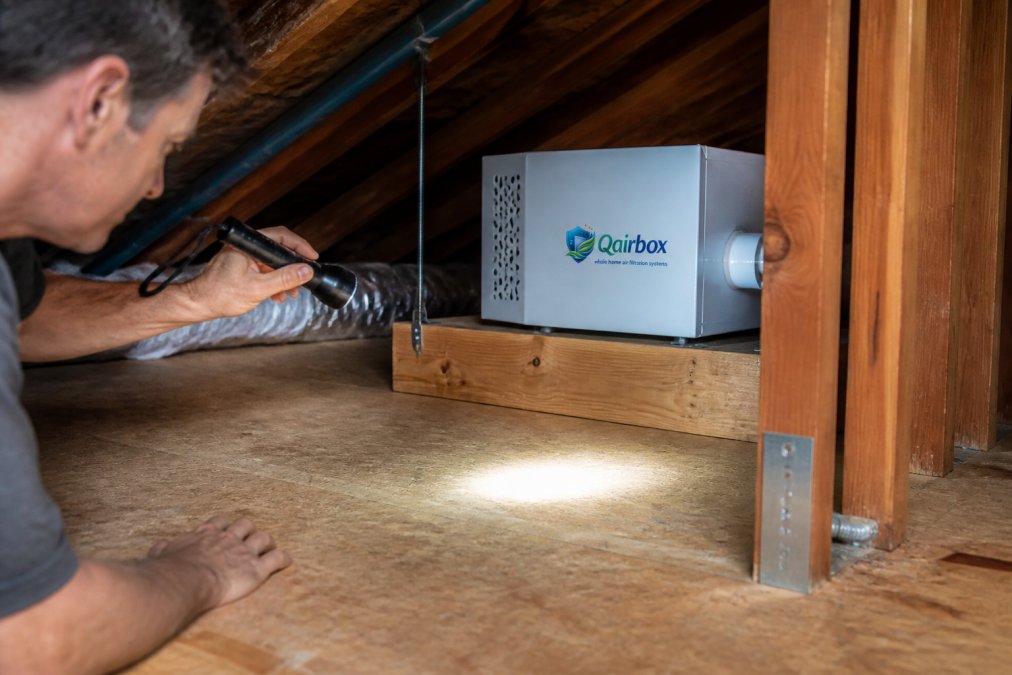
A whole-home air purification system is a standalone unit, professionally installed in the attic, that runs quietly on its own around the clock. It cleans the air throughout your entire house without connecting to or modifying your existing HVAC system. This approach reduces odors, airborne particles, dust, and chemical irritants.
For allergy-sensitive households and tightly sealed homes, this makes a measurable difference. Unlike portable room units that only clean the air where they sit, a whole-home system works continuously across every room. It also requires less maintenance than managing multiple portable purifiers.
| Concern | Portable Room Purifier | Whole-Home Attic System |
|---|---|---|
| Coverage | One room at a time | Entire house |
| Visibility | Takes up floor space | Out of sight in attic |
| Noise | Audible in the room | Quiet, away from living areas |
| Maintenance | Multiple filters, multiple units | Single low-maintenance system |
Conclusion: Getting Rid of the Musty Smell for Good
A musty smell from a new HVAC system is almost always a moisture problem, and it is fixable. Start by identifying whether you are dealing with temporary off-gassing or persistent mold, then work with your installer to correct any drainage or installation issues. Once the system itself is clean and dry, focus on the air quality of your whole home.
For homes that want continuous, whole-home air cleaning without touching the HVAC system, Qairbox offers an attic-mounted standalone purification system that runs quietly 24/7. It is professionally installed, low maintenance, and designed for hot, tightly sealed homes where odors and airborne particles tend to accumulate. If you are ready to breathe cleaner air in every room, schedule a consultation with Qairbox and find out how whole-home purification can work for your family.
Frequently Asked Questions
How long does the new AC smell last?
A temporary chemical smell from off-gassing typically fades within a few days to a couple of weeks as the system's new components settle. However, a persistent musty smell will not go away on its own and indicates a moisture problem, such as condensation in the ductwork or a clogged drain line. If the odor lasts longer than two weeks, it is not normal startup behavior and needs professional attention to prevent mold growth and protect your air quality.
Can a whole-home air purification system help with a musty smell from my new HVAC?
Yes. A standalone whole-home air purification system, like the QBox installed in the attic, continuously cleans the air throughout your entire house, capturing fungal spores, dust, and airborne contaminants that cause odors. While it does not fix a mechanical moisture issue in your HVAC, it works alongside your system to reduce the musty smell and improve overall air quality, which is a key benefit of whole-home air purification.
Why does my house smell musty even after installing a new HVAC?
A new HVAC system can trigger a musty smell for a few reasons. The most common is moisture: condensation forming on the new evaporator coil or in the ductwork creates a breeding ground for mildew. Installation errors, like an improperly sloped drain pan or unsealed ducts, can also trap stagnant water. This is often one of the first signs of poor indoor air quality, signaling that microbial growth is already present.
Is it normal for a house to smell musty with a new system?
No, a persistent musty smell is not normal. While a new system may briefly emit a chemical 'off-gassing' odor from factory coatings, that smell is usually not musty. A musty odor indicates the presence of mold or mildew, which requires moisture. If you smell it, moisture is accumulating somewhere it should not be, such as in the condensate drain line or on the evaporator coil, and you should investigate or call a professional.